The new BosTEN initiative represents a decisive step in the direction of geothermal energy with the goal of creating a closed-loop system using thermal energy to deliver scalable heating and cooling—and easing the strain on the existing power grid. Writing for SmartCities Dive, Robyn Griggs Lawrence outlines these key aspects of the Boston Thermal Energy Network Project (BosTEN), announced in April:
- The city of Boston and the Mass Clean Energy Center announced Thursday $500,000 in funding for a year-long project exploring the feasibility of capturing thermal energy from Boston-area waterways to deliver large-scale heating and cooling.
- The Boston Thermal Energy Network Project, known as BosTEN, is a closed system that would deliver thermal energy captured from the Charles and Mystic rivers, Boston Harbor, the Fort Point Channel and the bedrock beneath the rivers to nearby buildings through sealed infrastructure without drawing water from the waterways.
- “By exploring thermal energy, we’re opening an opportunity to keep our buildings comfortable year-round while maintaining stable electricity costs and paving the way for other cities across the Commonwealth to do the same,” Boston Mayor Michelle Wu said in a statement.
More details on the project are provided by Massachusetts Clean Energy Center:
“MassCEC and the City of Boston are jointly funding the Boston Green Ribbon Commission to lead the Boston-Area Thermal Energy Network Project or BosTEN Project. The project will explore the technical, regulatory, and economic feasibility of using thermal energy from Boston-area water sources to support a transition away from the use of natural gas. The BosTEN Project will assess how much thermal energy could be harnessed and how it could be most efficiently distributed. Targeted thermal sources include:
- The Boston Harbor
- The Charles River
- The Mystic River
- The Fort Point Channel
- Bedrock below the Charles and Mystic River
The BosTEN Project seeks to address five key questions for these thermal reservoirs:
- Thermal Supply. How much useful thermal energy can be reliably extracted from or stored in the targeted thermal reservoirs?
- Thermal Distribution. How can this energy be cost-effectively distributed to potential users? How can rejected thermal energy be redistributed through the thermal energy network?
- Thermal Demand. What is the potential phased demand of large energy users for the delivered thermal energy, and is this demand sufficient to justify capital investment for extraction/storage, distribution and consumption? How does rejected thermal energy help balance overall thermal demand in the system?
- Investment Opportunities. For those new thermal opportunities where feasibility is validated by the technical, economic and regulatory analysis, what next steps will help convert those opportunities into projects ready for investment for both the thermal supply and distribution infrastructures?
- Regulatory and Permitting Barriers. What are the regulatory and permitting barriers to new clean thermal development?”
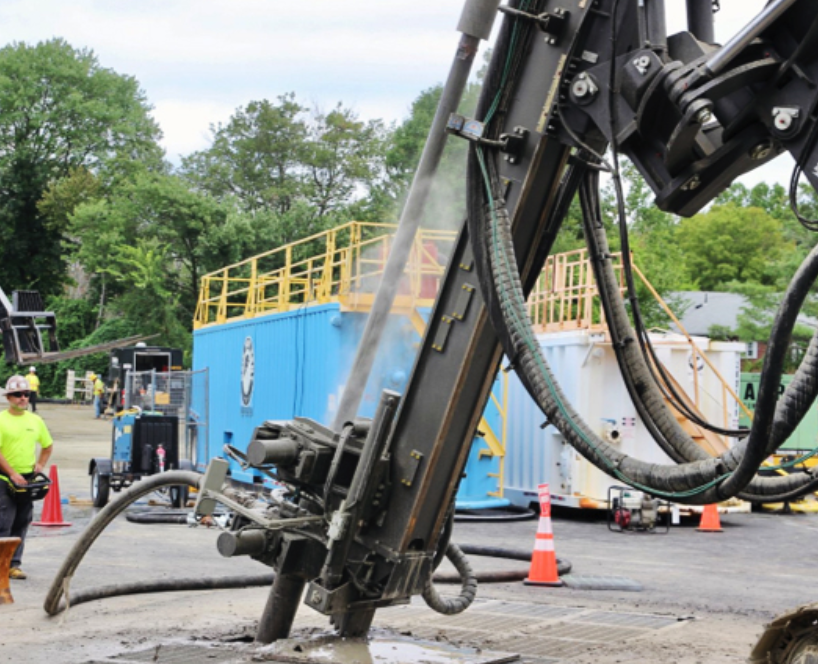
Image: EverSource