
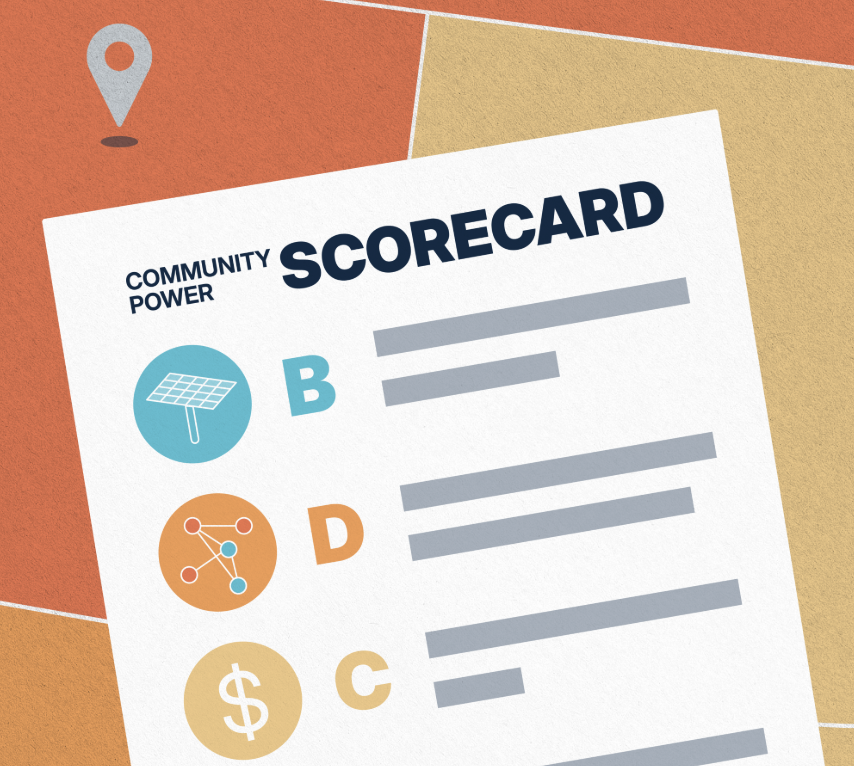
Massachusetts has scored 8 out of 13 on the 2025 Community Power Scorecard, after passing its first community solar legislation in 2008. According to a report by the Institute for Local Self-Reliance, “Successful and meaningful community solar policies prioritize four central principles: tangible benefits for participants, flexible ownership structure, synergy with other renewable energy policies, and access for all residents.
At a minimum, state community solar policies must allow non-utility ownership of solar projects. Utility-owned programs are not community solar, but just another way that for-profit utilities squeeze ratepayers for more profits.”
Accessible and inclusive community solar programs make community solar membership available to all utility customers. They are administered by an entity other than the utility. And they don’t have program caps or operate on a first-come, first-served basis to allocate capacity.
“Massachusetts community solar is quite unique, as the state doesn’t have a specific “community solar” law. Instead, rules for “Community Shared Solar” facilities are couched within the broader context of the state’s main solar incentive program: the Solar Massachusetts Renewable Target (SMART) solar incentive program.”
Image: ILSR