
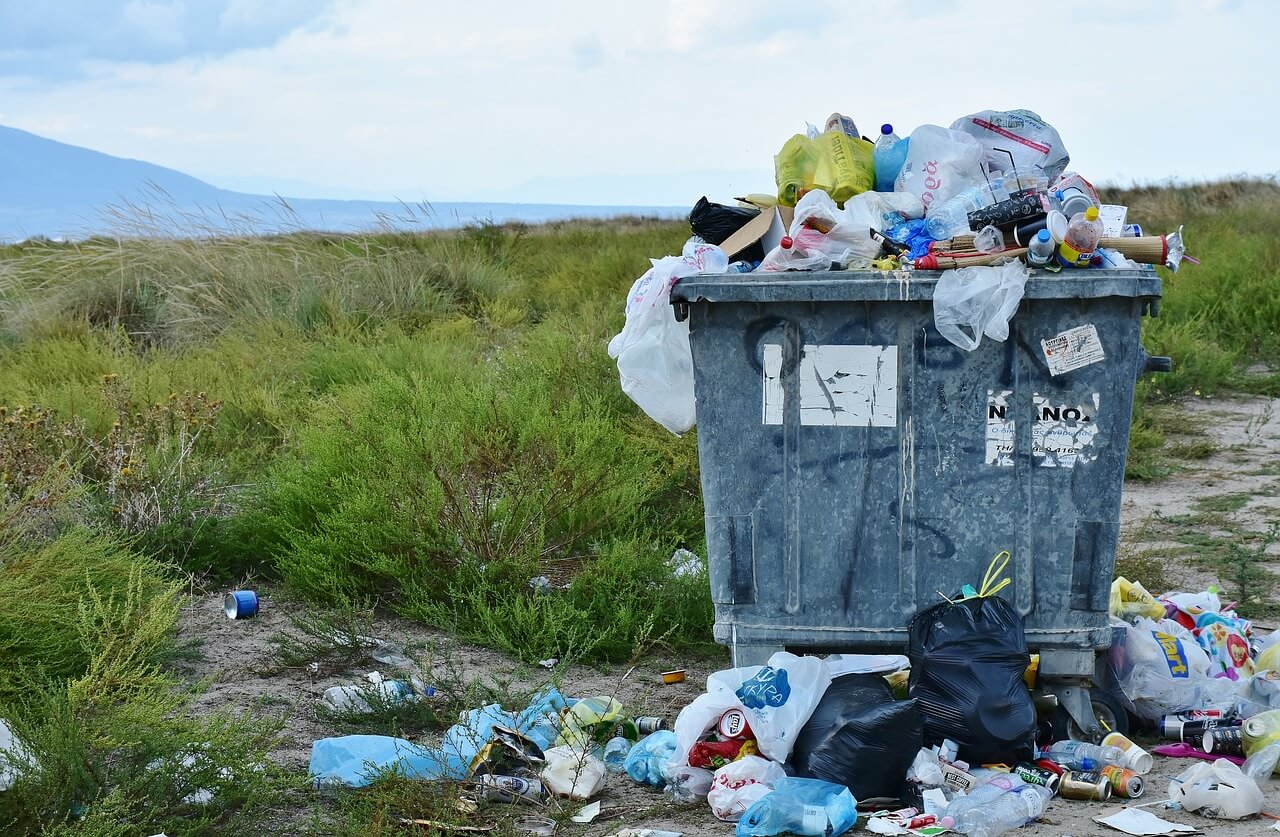
Writing for The Boston Globe on November 21, Aayushi Datta and Megan Le underscore the nearly unquantifiable toll of single-use plastics in Massachusetts. It’s sobering reading. Plastic cups, bags, film, packaging, you name it—they remain in the environment far beyond their initial convenient purpose. In fact, according to the United Nations, plastic particles never completely vanish. The impact on land and marine ecosystems is devastating.
The authors write, “Plastics are becoming an increasingly large part of Massachusetts’ waste stream, with packaging and single-use products driving much of the volume. The state’s Department of Environmental Protection reports that about 4.3 million tons of municipal solid waste are generated each year, with packaging making up a significant share.
Plastics accounted for 13.9 percent of the state’s waste stream in 2010, compared to 18.2 percent in 2025, according to DEP data. Plastic film, including shopping bags, packaging film, and other flexible plastics, represents one of the fastest-growing categories, rising from 3.7 percent of the waste stream in 2010 to 7.5 percent in 2025. While the use of plastic grocery bags declined in recent years, other forms of plastic packaging continue to grow.
In a coastal state like Massachusetts, the impact extends beyond landfills. Plastic debris frequently enters waterways through storm drains and litter. Once in marine environments, plastic can be ingested by fish and sea birds, entering the food chain in ways that are still being studied. Research also shows that microplastics are commonly detected in human organs and can remain in the body indefinitely.”
What is Massachusetts doing? “The Mass Ready Act, which has moved through the state Senate, would ban ban single-use plastics such as bags, utensils, and cup lids, and provide nearly $4 billion in climate and environmental investments. State Senator Becca Rausch, a Needham Democrat, noted that plastic bag bans are already in place in communities where most Massachusetts residents live, but argued that statewide policy is needed to create consistency.”
Read the article in full.