
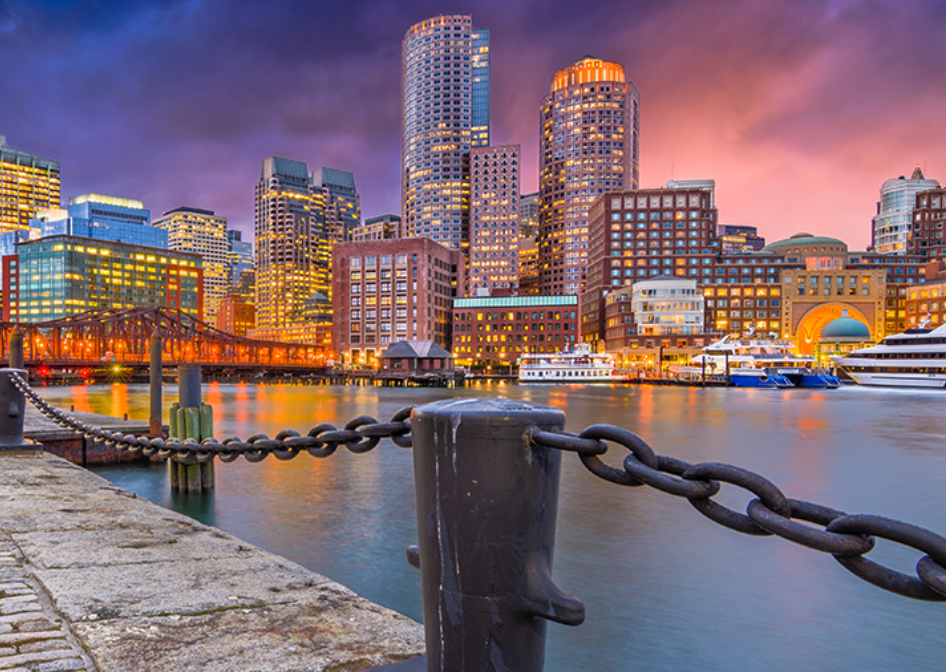
A member of the Boston Green New Deal Coalition, Boston Green Action supports the letter submitted on September 18, 2026 to the U.S. Army Corps of Engineers highlighting priorities in the Boston Coastal Storm Risk Management Study Draft Integrated Report and Programmatic Environmental Assessment.
Here is the letter in full:
Boston Green New Deal Coalition appreciates the partnership between the City of Boston and the U.S. Army Corp of Engineers to bolster the City of Boston’s coast against long-term flooding and ensure our neighborhoods and infrastructure are more resilient to climate change, and for USACE’s consideration of the city’s previous climate resiliency plans including Climate Ready Boston. We know 40% of the City’s residents live in areas at risk of coastal flooding, and interruptions to our transportation system, port areas, and economy will impact the entire region. Boston Green Action is grateful for the chance to comment and help shape the future of our coastal city.
A citywide approach for protection
It’s clear that the City of Boston needs a comprehensive plan that protects the entire 47-mile coastline as well as adjacent communities and neighborhoods impacted by flood pathways.
When it comes to coastal flooding, protecting one part of the waterfront while leaving another vulnerable is not enough. That is why we support moving forward with Action Plan 2, which takes a citywide approach to addressing Boston’s most pressing flood pathways. The Army Corps Final Report should move forward with Action Plan 2 as the recommended plan for Boston. Flood protection projects need to work together across our coastline, from East Boston to Dorchester, to protect neighborhoods, businesses, parks, transportation, and other places we all depend on.
Meaningful consultation with Indigenous Tribes and Representatives
We urge collaboration and consultation with American Indians and Tribes consistent with the federal government’s trust relationship, the published USACE Civil Works Tribal Consultation Policy, and Executive Order 13175 “Consultation and Coordination With Indian Tribal Governments” (2000).
The North American Indian Center of Boston (NAICOB) is Massachusetts’ oldest urban Indian center and pursuant to Executive Order No. 126 (1976) signed by Governor Michael Dukakis serves as a tribal liaison, holds a seat on the Massachusetts Commission on Indian Affairs, and serves in various advisory capacities with state and municipal offices. Despite stated commitments to Tribal engagement as “integral components of the planning and compliance process for the Boston CSRM” (Appendix C, page 31), NAICOB is not currently included in the draft study. The exclusion of NAICOB limits the participation of tribes outside of the state borders who have cultural and ancestral ties to the Boston Harbor coastline as well as historical government-to-government relationships.
We strongly recommend that USACE act to correct this and initiate proper consultation protocols before finalizing the Boston CSRM. It is crucial that USACE works with Tribal Historic Preservation Offices, NAICOB, and the Indigenous Peoples Partnership Coordinator of the First Peoples First Stewards Partnership Program within the Massachusetts Department of Conservation and Recreation.
Incorporating hybrid and nature-based features
As members of the Boston Green New Deal Coalition, we strongly support the inclusion of nature-based and hybrid approaches in climate resilience projects to create a more resilient, healthy, and just city. Though we support Action Plan 2 over taking no action, we request that the Comprehensive System Plan meaningfully outline plans for nature-based and hybrid features to maximize flood protection, and enhance and protect open space and our natural shorelines.
One of USACE’s stated considerations in the formulation of alternatives to manage coastal storm risk is hybrid and nature-based features to maximize risk management where practical and land use and urban density allow (§ES-2.1, pp 23). Though the Draft Report lists the hybrid and nature-based features that were considered for alternatives, the explanations for screening out these features are not sufficient.
For example, the alignments at Constitution Beach, Belle Isle Marsh, and Tenean Beach could be improved by selecting a hybrid solution that both protects existing open space and enhances the natural features of those resources. We request that the Final Report include more comprehensive screening analyses that meet the precedent set by previous USACE CSRM reports, such as the 2022 USACE’S Charleston Peninsula CSRMS and the Tentatively Selected Plan for San Francisco. For hybrid and nature-based features that have not been screened out, we request that the Final Report details how these features will be incorporated, including which alignments are suitable for these features and the cost sharing between the federal government and City for implementing them.
Protecting open space
In addition to minimal explanations for screening out nature-based and hybrid features, there is limited consideration of the ability for nature-based features to manage the significant long-term coastal storm risks to critical open spaces and natural resources.
As the Draft Report highlights, there is limited existing open space for recreation in most of Boston’s neighborhoods. Key metrics for planning objectives in the study include “social connectedness and communal identity, access to green and communal space in dense urban environments, and others related to natural resources” (§2.4.7-2.4.12, pp 97-100). This is aligned with findings and objectives in the previous Climate Ready Boston plans, where preserving and expanding open space was identified by community feedback as a main priority, particularly in East Boston.
However, the proposed alignments leave out protection for some of the city’s most treasured open space, including Constitution Beach, Belle Isle Marsh, and Tenean Beach. Where it is not possible to protect open space, we request that the Final Report provide recommendations for federally-funded mitigation measures.
Comprehensive consideration of benefits
As different projects are considered, we want the U.S. Army Corps to look at the full range of benefits they could provide. That means considering how projects could support jobs and our regional economy; improve health, public safety, and community connections; protect businesses and public services; preserve historic and cultural resources; improve air and water quality; and restore natural habitats. If we are making investments that will shape Boston for generations, we should make sure they deliver as many benefits as possible.
Accessible and natural waterfront
Flood protection projects need to enhance equitable access to Boston Harbor. New and improved sections of the Harborwalk should include places to sit, gather, and enjoy the view while making the waterfront easier for everyone to access. Wherever possible, projects should also incorporate natural and nature-based features that provide strong flood protection while creating healthier habitats for native plants and wildlife as well as people.
To summarize, as USACE and the City of Boston advances this study towards authorization and implementation, we strongly support moving forward with Action Plan 2. We request the following be included in the Final Report:
- Plans for nature-based and hybrid features to maximize flood protection in preferred alignments, and enhance and protect open space and our natural shorelines.
- More comprehensive hybrid and nature-based feature screening analyses that meet the precedent set by previous USACE CSRM reports.
- Cost sharing between the federal government and City for implementing hybrid and nature-based features.
- Recommendations for federally-funded mitigation measures where it is not possible to protect open space within alignments.
- Analyses of the full range of benefits that projects could provide, including benefits for economy, public health, equitable access and cultural connectivity as well as natural habitats.
- Enhancements for existing segments and creation of new segments of the Boston Harborwalk to further connectivity.
- Indigenous consultation consistent with existing federal and state government-to-government relationships.
Thank you again for the opportunity to provide feedback on the Draft Report. We believe this study provides a unique chance to make our beloved coastal city more resilient to flooding while protecting and improving access to our treasured natural spaces.